What doctors say
Dermatologists on Soratinex
Dermatologists have been using and researching Soratinex (known in Europe as ‘Dr Michaels’) for more than a decade. An analysis of eight studies involving 2,050 patients found that 85 per cent saw their symptoms improve by between 51 and 100 per cent.

The scientist behind Soratinex
Professor Michael Tirant (PhD)
‘Address triggers that flare up dermatological diseases, as well as treating the symptoms.’
Professor Tirant first began to develop Soratinex, known in Australia and Europe as Dr Michaels, more than 30 years ago, and has refined it into the three-step regimen available today. The products have been trialled in Australia, Europe and Asia.
He completed much of his formal studies at Monash University, Melbourne, and runs clinics specialising in skin disorders in Australia, New Zealand and Vietnam. He advises on dermatological disabilities in Australia and South East Asia for the Vitiligo Research Foundation at the UN Economic and Social Council (ECOSOC), speaks regularly at international dermatology conferences, and sits on the editorial board of Dermatologic Therapy (Wiley-Blackwell).
He has been involved in dermatology research for more than 30 years, investigating what triggers skin diseases. In the early 1980s he showed that alcohol and smoking made psoriasis worse, and that diet and nutrition play a major role in managing it. His research now focuses on the superantigens involved in psoriasis and atopic eczema flare-ups.
He has developed more than 40 dermatological products using bio-herbal actives, including Soratinex, for conditions such as psoriasis, atopic eczema and vitiligo.
A pioneer of integrative dermatology, he combines conventional and alternative methods in a holistic approach. His motto is to ‘address triggers that flare up dermatological diseases, as well as treating the symptoms’.

UK trial lead
Professor Anthony Chu
‘I have been hugely impressed by the results – in some cases the improvements were quite amazing.’
Professor Chu was lead clinician for the 2017 UK efficacy trial of Soratinex, which began while he was still in post at Imperial.
He says: ‘Nearly all patients experienced some improvement, but 60 per cent experienced an improvement in their condition of more than 50 per cent. In terms of well-being, almost half said their quality of life had improved by between 76 and 100 per cent, and we recorded no negative side-effects.
‘Psoriasis is typically treated with topical creams, many of which include steroids of various strengths, and over prolonged periods they can damage the skin. The more serious cases are treated with systemic drugs, more powerful hospital-based prescription drugs which work throughout the body.
‘And finally, for very serious cases, biologics, protein-based drugs that are grown from cell cultures in the laboratory and are delivered by subcutaneous injection. Some people are scared of going on to these types of medication as they work by targeting the immune system.
‘So to have a topical treatment that works in patients for whom other topicals have failed is absolutely fantastic. In some cases, patients who had been suffering from psoriasis for years, and for whom all other treatments had failed, symptoms went away almost completely.
‘This is something that has not been there before, and for patients who have not had positive experiences with the usual drugs it offers new hope.
‘It is normal for us all to herald new things because they give us extra strings to our bow. The fact that Soratinex does not contain corticosteroids is particularly exciting because a lot of patients are scared of their long-term use – and if they aren’t then they should be.
‘Prolonged use of topical steroids can be very damaging to the skin, resulting in thinning and fragility. Because they can be absorbed, in some cases they can cause changes in blood pressure and internal side effects, including decreased growth in children and Cushing’s Syndrome.
‘The cost compares favourably with traditional hospital-based treatments for severe psoriasis such as Ciclosporin, which can cost around £2,000 a year, Methotrexate from £200–300 a year and biologics (cellular treatments grown in the lab) for the most severe cases, which can cost up to £14,000 a year. These treatments require regular hospital visits and regular blood tests.
‘Not every psoriasis treatment works for every patient but I have seen enough of my patients improve by using Soratinex when all else has failed that I would feel comfortable recommending it to other dermatologists.’
Figures and costs as reported at the time of the 2017 trial.
UK trial
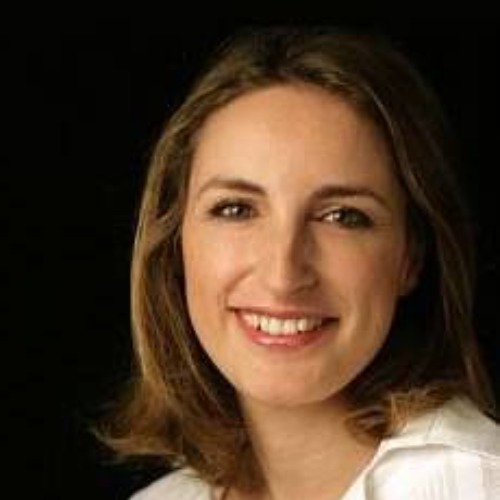
Dr Benedetta Brazzini
‘The results we achieved were amazing.’
Dr Brazzini conducted the UK trial with Professor Chu. She first came across Soratinex while working in Italy.
She says: ‘We were aware of quite large studies of Soratinex in Europe that had reported remarkable results, and so decided to set up a small study of our own.
‘To begin with I was a bit sceptical and thought Soratinex was something that would either not work, or at best would simply have the effect of being a good moisturiser. For our study, the patients tended to have more severe forms of psoriasis, and most had suffered with it over long periods of time and had tried other forms of treatment with varying degrees of success.
‘The results we achieved were amazing, with most patients improving to some degree, but with 60 per cent enjoying improvements on the PASI scale of between 51 and 100 per cent.
‘We were pleasantly surprised, especially when you consider that in this and previous trials there has been no record of any significant side effects. The patients were very grateful and very happy with the results.’
Germany
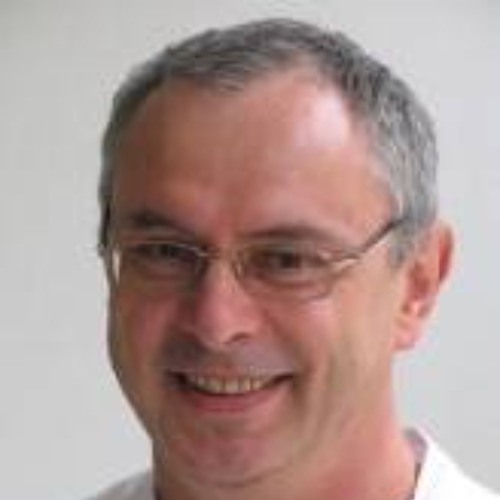
Professor Uwe Wollina
‘We are seeing the best improvements with Soratinex in the first two weeks.’
Professor Wollina completed Germany’s first clinical trial of Soratinex at the end of 2017. In his trial, all patients achieved a reduction in their symptoms of at least 50 per cent. By week 8, 94.4 per cent of patients said they were ‘satisfied’ or ‘very satisfied’ with the results.
He says: ‘The treatment is self-usable by the patient, so that provides more autonomy and it is proving very, very safe – the only side effect we have seen is a mild stinging sensation.
‘The results are comparable with the most successful corticosteroids and are miles ahead of any other non-steroidal topical treatment on the market. And the most interesting fact is that while steroid treatments can produce good results in three to four weeks, we are seeing the best improvements with Soratinex in the first two weeks.’
Czech Republic
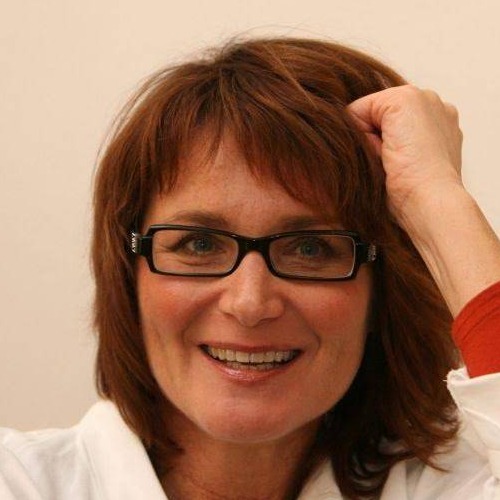
Professor Jana Hercogová
‘It is unbelievably effective.’
Professor Hercogová has more than 10 years’ experience of Soratinex.
She says: ‘When FRANKL Pharma first asked me to try the treatment, I was sceptical but eventually I tried it on a child with psoriasis of the scalp. Everything else had failed, but this cleared it up. Then I tried it on another patient, then another and the results were very encouraging.
‘Between 2005 and 2008, 203 patients in 10 hospitals across the Czech Republic were treated with Soratinex and we saw improvements in around 80 per cent of all patients. I would not use it in severe cases where most of the body is covered in lesions because it is a three-part treatment and this makes it impractical.
‘But in cases of plaque psoriasis with symptoms ranging from mild to moderate – which is about 80 per cent of all cases – then I would recommend Soratinex. It is unbelievably effective.’
The studies
Soratinex has been studied in hospitals and clinics in the UK and across Europe. You can read the original study reports here.